
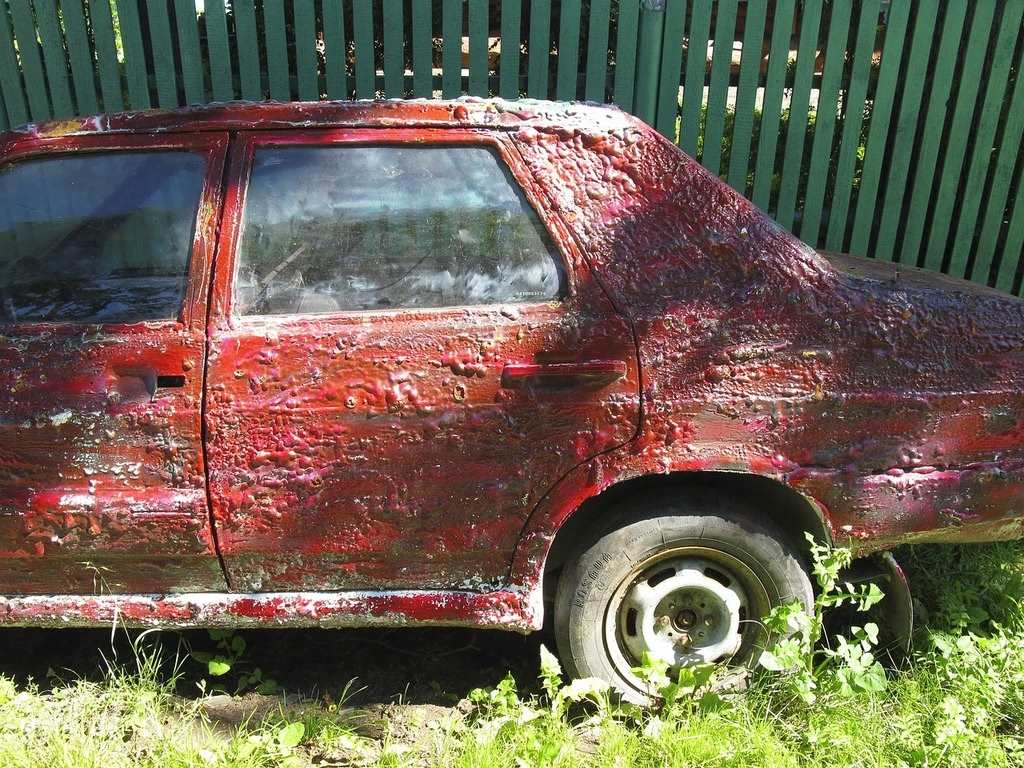
When I had to buy a used car after totaling my Camry, I didn’t know what I was looking for. I just knew I didn’t want to get burned.
I dug in, talked to mechanics, read everything I could find. And I built a checklist I could actually use standing in a parking lot, holding my phone, trying not to look like a mark.
I’m not a mechanic. I’m a buyer who learned the hard way, and I’ve put everything I found into this site so you don’t have to start from zero.
Here are 10 red flags that should make you slow down — or walk away entirely.
1. The seller can’t produce service records
This isn’t a dealbreaker by itself, but it’s a yellow flag that gets redder fast if combined with anything else on this list. A well-maintained car usually has something — oil change receipts, a maintenance log, dealership records. “I just didn’t keep them” is a possible answer. “I just bought it myself” is a red flag worth noting.
Here’s what you can do: you can pull some of this history yourself with a VIN check. It won’t show everything, but it’ll show reported accidents, title issues, and odometer readings over time.
- Mismatched paint panels
Stand back from the car at an angle — ideally in natural light, not under fluorescent dealer lights. Look down the side. Are the panels the same shade? Does the hood match the fenders?
A slightly different color on one door or panel usually means that the panel was repainted, which usually means it was damaged. That’s not always a deal-killer, but it tells you something happened that the seller may not have volunteered.
3. Rust under the car or inside the wheel wells
Surface rust on brake rotors is normal if the car has been sitting — it burns off when you drive. But rust on the frame, subframe, or structural components is a different story. That’s not cosmetic. That’s structural integrity.
Get on the ground and look. If you don’t want to do that, ask for a pre-purchase inspection at a mechanic before you commit.
- The engine is suspiciously clean
A freshly steam-cleaned engine can mean the seller just cleaned it. It can also mean they cleaned it to hide an oil leak.
Here’s something to be aware of: an engine that’s been running will have some grime on it, especially around hoses, gaskets, and seals. A pressure-washed engine makes it harder to spot fresh oil weeping from a seal or gasket. Not automatically bad — but worth noting, and worth looking out for after the test drive.
- Oil that looks like coffee with milk
Pull the oil dipstick. The oil should be brown to dark brown. If it looks milky, creamy, or foamy, that’s a sign coolant is mixing with oil — which is a sign of a blown head gasket or worse.
That repair can run $1,500–$3,000+. This one test takes 30 seconds.
6. The car won’t start cleanly, or hesitates
A healthy car starts within a second or two. If it cranks, struggles, or needs multiple tries — that’s a red flag. Could be a weak battery (cheap fix), could be fuel system issues (less cheap), could be something the seller knows about and is hoping you don’t notice.
7. Smoke from the exhaust after warm-up
A little white vapor when you first start a cold engine on a cool day is normal condensation. That burns off.
White or blue smoke after the engine is warm is not normal. Blue smoke means burning oil. White smoke means burning coolant. Either one points to internal engine problems.
Watch it for it in the rear-view during the test drive, not just at startup.
8. The seller is in a hurry
High pressure. “I have two other people looking at it tonight.” “I need to move it this weekend.” “I can’t hold it for you.”
Pressure is a sales tactic. A car that’s genuinely priced fairly doesn’t need pressure behind it. Slow down when someone tries to speed you up.
9. The price is significantly below market
There’s a reason it’s cheap. I’m not saying don’t buy below-market cars — deals exist. I’m saying: know why it’s priced low before you commit.
Punch the price into a tool like KBB or our Deal Analyzer and see where it actually lands. A car priced $2,000 under market might be a deal — or it might be someone offloading a problem they know about.
10. Your gut says something’s off
This is real. If the seller won’t let you take it to a mechanic, or the story doesn’t add up, you feel rushed, something keeps nagging at you. Take a big pause.
I’m a big believer in the pre-purchase inspection — an independent mechanic looks it over for $100–$150 before you commit. If the seller says no to that, that’s your answer.
Don’t rely on memory at the lot
I built a free checklist you can pull up on your phone the moment you get out of the car. It covers everything from the exterior walk-around to the engine compartment to the test drive — step by step, in plain English.
Download the free checklist here → usedcarchecklistdownload.com
No mechanic experience required. That was the whole point.
Running the numbers before you make an offer?
Once you’ve done the inspection and you’re thinking about an offer, our Used Car Deal Analyzer can help you figure out your opening number, your walk-away number, and what the car is actually worth — based on what you found during the inspection.
It takes about 2 minutes and it’s $19 for the full report. Most people save more than that on their first negotiation.
Check it out here → Used Car Deal Analyzer
Jack Holland runs UsedCarChecklistDownload.com. He built this after totaling his Camry and realizing there wasn’t a simple, practical inspection resource written for regular buyers — not mechanics, not dealers. Just people trying not to get burned.
Leave a Reply